
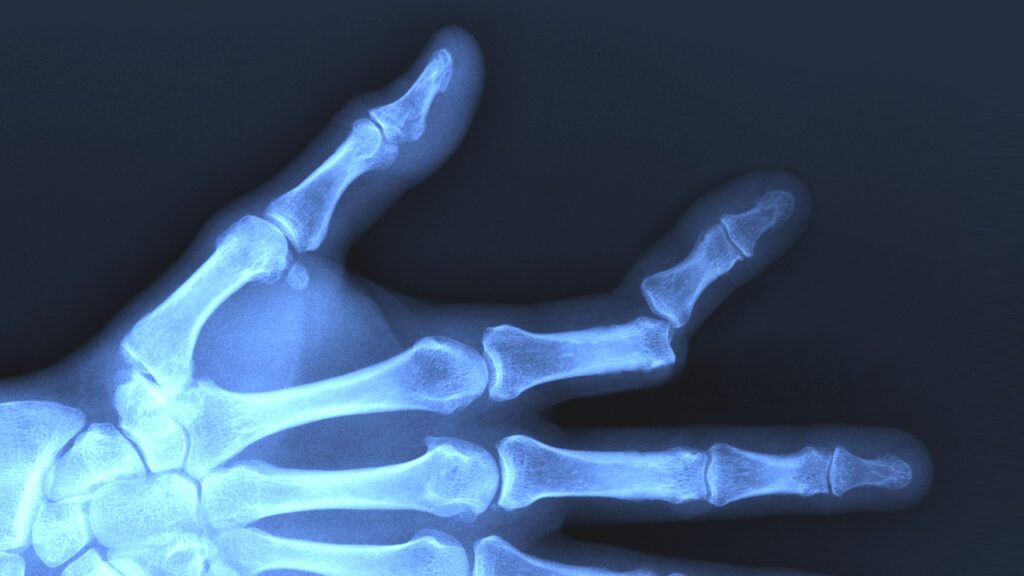
☝️ Finger Dislocation: What You Need to Know
Dislocating a finger can be painful, alarming, and—if not managed correctly—can lead to long-term stiffness or deformity. Whether your finger got jammed during sport, caught in a door, or twisted the wrong way, early diagnosis and expert rehab can make a big difference.
💥 What Is a Finger Dislocation?
A finger dislocation happens when the bones of a finger joint are forced out of their normal alignment. This usually affects the PIP joint (the middle knuckle), but can also involve the DIP (tip) or MCP (knuckle at the base).
It’s a common injury in ball sports, workplace accidents, falls, and crush injuries.
🧠 Key Symptoms
- Sudden pain at the joint
- Obvious finger deformity or crooked position
- Swelling, bruising, or redness
- Inability to move the joint properly
- Numbness or tingling if nerves are affected
⛑️ First Aid and What Not to Do
- Do NOT try to “pop” the joint back in—this can cause serious damage.
- Immobilise the finger using a splint or buddy taping to the next finger.
- Apply ice to reduce swelling.
- Seek urgent care, especially if:
- The joint appears deformed
- You lose sensation or colour in the finger
- You’re unable to move the finger normally
🏥 What Happens During Treatment?
At a medical or hand therapy clinic, the following steps are usually taken:
- Assessment & Imaging: X-rays or ultrasound to check for fractures, joint damage, or associated soft tissue injury
- Closed Reduction: A trained clinician gently relocates the joint
- Splinting or Taping: To protect the healing structures
- Hand Therapy: Begins early to prevent stiffness and regain full function
🔍 Associated Injuries: Volar Plate & Boutonnière
🟣 Volar Plate Injury
A volar plate injury often occurs alongside a PIP joint dislocation, particularly when the finger is forcefully hyperextended (bent backwards). The volar plate is a thick ligament on the palm side of your finger joint that helps stop it from bending too far backwards.
Symptoms may include:
- Pain and swelling on the front of the PIP joint
- Difficulty straightening the joint
- Joint instability or a “wobbly” feeling
If not addressed, it can lead to chronic instability, stiffness, or early arthritis.
➡️ Early hand therapy helps with splinting, pain control, and restoring safe motion.
🟠 Boutonnière Deformity
A boutonnière deformity may develop after trauma or dislocation that damages the central slip of the extensor tendon. The result is:
- A bent (flexed) PIP joint
- A hyperextended DIP joint
This deformity might not appear immediately, but rather develop over days or weeks if the tendon injury is missed.
If caught early, it’s often treatable with splinting in extension, followed by rehab. Delayed treatment, however, can result in a permanent deformity requiring surgery.
➡️ This is another reason why finger dislocations must be followed up with hand therapy, not just reduced and forgotten.
📆 Recovery Timeline
Recovery depends on which structures are injured, and whether surgery is needed. Here’s a general guide:
| Phase | What Happens |
|---|---|
| Week 0–2 | Pain and swelling settle; splinting or taping begins |
| Week 2–6 | Gradual range-of-motion exercises to avoid stiffness |
| Week 6–12 | Strengthening and return to sport/work-specific tasks |
| 3–6 months | Full recovery for complex injuries; some residual stiffness is common |
🧑⚕️ Role of Hand Therapy
Hand therapy is crucial after a dislocation—especially if there’s:
- A volar plate injury
- A central slip (boutonnière risk)
- Residual swelling, stiffness, or pain
- Need for custom splints or guided rehab
Your hand therapist will:
- Monitor healing and prevent complications
- Help you regain safe, functional range of motion
- Restore grip, dexterity, and strength
- Prevent long-term deformity or instability
⚠️ Possible Complications
- Joint stiffness, especially in the PIP joint
- Recurrent dislocations if ligaments remain unstable
- Boutonnière deformity
- Arthritis in the joint
- Permanent deformity if rehab is delayed
🏃♂️ Return to Sport or Work
Return timelines vary:
- Desk-based work: 1–2 weeks if no fracture
- Manual work: 4–6 weeks or more
- Contact sport: 6–8+ weeks with protective taping or splints
📍When to Seek Help
You should see a hand therapist if:
- You’ve dislocated a finger recently
- You notice ongoing pain, stiffness, or deformity
- You want to return to sport or lifting safely
- You were told you have a volar plate injury or central slip injury
📞 Same-Day Finger Injury Care in Melbourne
If you’ve dislocated a finger or suspect a tendon injury, After Hours Hand Therapy offers same-day care, including:
✅ Diagnosis & imaging referral
✅ Splinting for volar plate or boutonnière injuries
✅ Pain relief, rehab, and return-to-sport planning
✅ Evening and weekend appointments
👉 Click here to book online
📞 Or call 0415 238 432